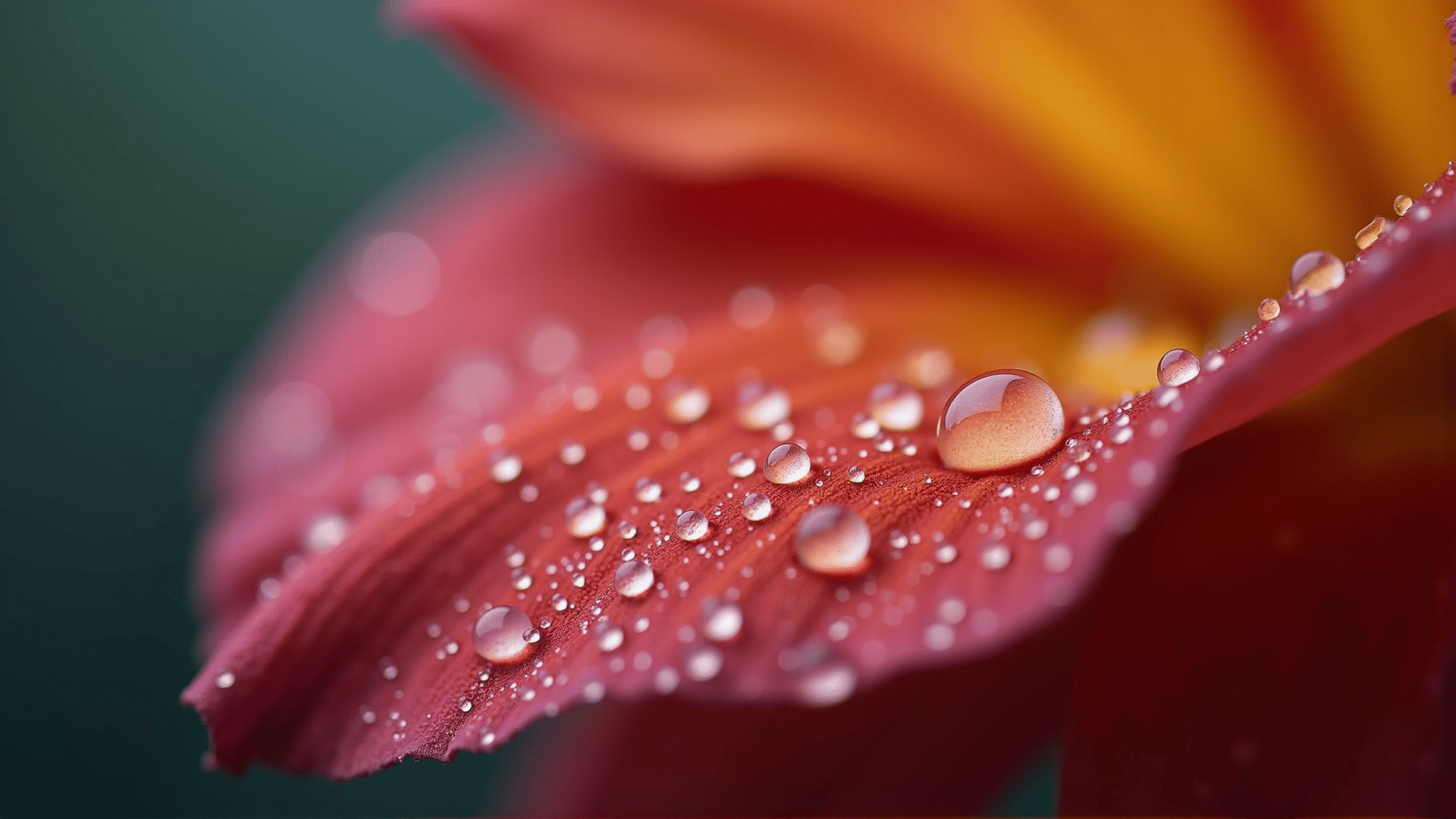
In the world of image-making, the art of capturing moments often transcends mere click of the shutter, becoming an exploration of techniques that breathe life into every frame. Whether you’re an enthusiast or someone keen on refining your skills, diving into diverse techniques can greatly enhance your ability to portray the world around you in imaginative ways.
One way to infuse creativity into your images is by experimenting with lighting. The subtle play of light and shadow can completely transform an ordinary scene into something extraordinary. Utilize the golden hours – the times shortly after sunrise or before sunset – when the sun casts a warm, soft glow. This natural light can add a magical touch to landscapes and portraits alike. Conversely, embracing artificial lighting, such as off-camera flash or reflectors, can offer greater control and open up new avenues for creativity, especially in low-light conditions.
Capturing motion is another technique that can introduce dynamism to your images. Utilizing a slow shutter speed can create a sense of movement. Whether it's the gentle flow of a waterfall or the bustling activity of a city street, this method conveys energy and life. Alternatively, freezing a moment with a fast shutter speed, like the beating wings of a bird, can result in striking, detailed images that highlight the beauty of motion.
Composition plays a crucial role in creating compelling visuals. The rule of thirds, where you divide the image into nine equal segments with two vertical and two horizontal lines, is a classic guideline. Placing key elements at the intersections or along these lines can create balanced and engaging photographs. Additionally, consider the use of leading lines to draw viewers’ eyes into the scene or framing your subject with natural elements such as trees or windows to add depth and context.
Exploring different perspectives can also drastically alter the narrative of your images. Play with angles – crouch low to capture a child’s viewpoint or climb higher for a bird’s-eye perspective. This change in viewpoint can make ordinary scenes feel fresh and provide new storytelling opportunities.
Lastly, embracing post-processing allows you to refine your vision and add a personal touch to your work. Techniques such as adjusting colors, contrast, and sharpness can enhance the mood of your images, creating consistency and a unique style. However, it's important to ensure these adjustments enhance rather than overshadow the original scene.
In essence, exploring varied image-capturing techniques is about freeing your creativity and broadening your expressive horizons. It’s about capturing the essence of moments in ways that may not be immediately visible to the eye but are vividly felt through the resulting images. By incorporating these techniques, you can transform your perception and tell stories that resonate with viewers, providing them with a fresh lens through which to admire the world.