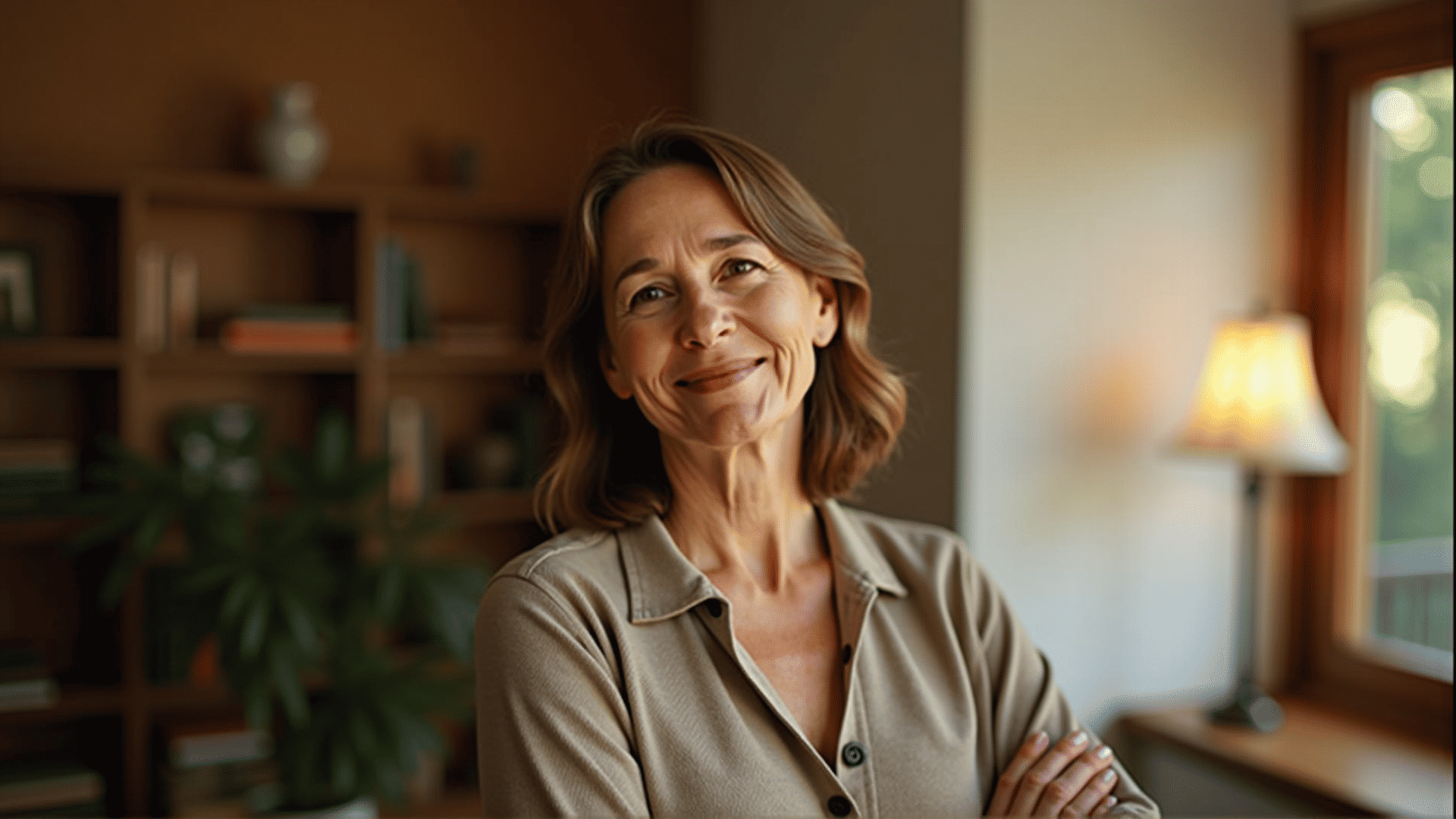
Understanding the role of light is crucial for anyone exploring the world of capturing images. Light not only illuminates the subject but also adds layers of meaning and emotion, transforming an ordinary scene into something extraordinary. In this guide, we'll explore how to harness both natural and artificial lighting to enhance your visual storytelling.
1. The Importance of Light:
At its core, creating images is essentially about capturing light. The way light falls on a subject, its direction, intensity, and color all contribute to the final image. Being able to read and use light effectively is a skill that can set apart your work from the rest.
2. Types of Lighting:
-
Natural Lighting: Utilizing sunlight can offer a more organic and dynamic feel. Pay attention to the time of day, as it affects the quality of light. "Golden hour," just after sunrise and before sunset, is considered ideal due to its soft, warm tones.
-
Artificial Lighting: This includes any man-made light sources such as lamps, bulbs, and electronic flashes. These allow for greater control, enabling you to manipulate light regardless of natural conditions.
3. Direction of Light:
-
Front Lighting: The simplest method, where light hits the subject head-on. It provides even illumination but can sometimes result in flat images due to the lack of shadows.
-
Side Lighting: Adds depth and texture by creating shadows on one side of the subject. This approach is excellent for conveying drama and dimension.
-
Back Lighting: Places the light source behind the subject, highlighting outlines and creating a glowing effect. It can be challenging but rewarding, offering ethereal and symbolic imagery.
4. Intensity and Diffusion:
The intensity of light impacts the mood of the image. Strong, direct light creates stark contrasts and defined shadows, useful for high-impact imagery. Alternatively, diffused light—softened by clouds or reflectors—yields gentler shadows and a softer appearance, perfect for portraits.
5. Reflectors and Diffusers:
These basic tools can significantly alter the character of your light. Reflectors bounce existing light to illuminate shadowed areas, while diffusers, such as sheer fabric or professional diffusing kits, help soften harsh lighting.
6. Tools for Enhancement:
Modern technology offers a range of tools to adjust lighting conditions. Portable lights, filters, and editing software can be used to achieve desired effects that may not have been possible at the moment of capture.
7. Creating Mood and Depth:
The choice of light greatly influences the mood. Cool, bluish tones can evoke calmness or melancholy, while warm, golden hues suggest warmth and intimacy. Experimenting with different lighting setups allows the creation of unique atmospheres and perspectives.
8. Practice Makes Perfect:
Like any aspect of capturing images, mastering lighting conditions comes with practice. Experiment across various settings and times of the day, adjusting your approach based on the light available. Over time, you’ll develop an intuitive sense for manipulating light to suit your creative vision.
By understanding and manipulating light, anyone can enhance their ability to tell compelling stories through visuals. Whether it's capturing the natural beauty of a landscape or the nuanced expressions of a subject, mastering light is an essential step in elevating your craft.