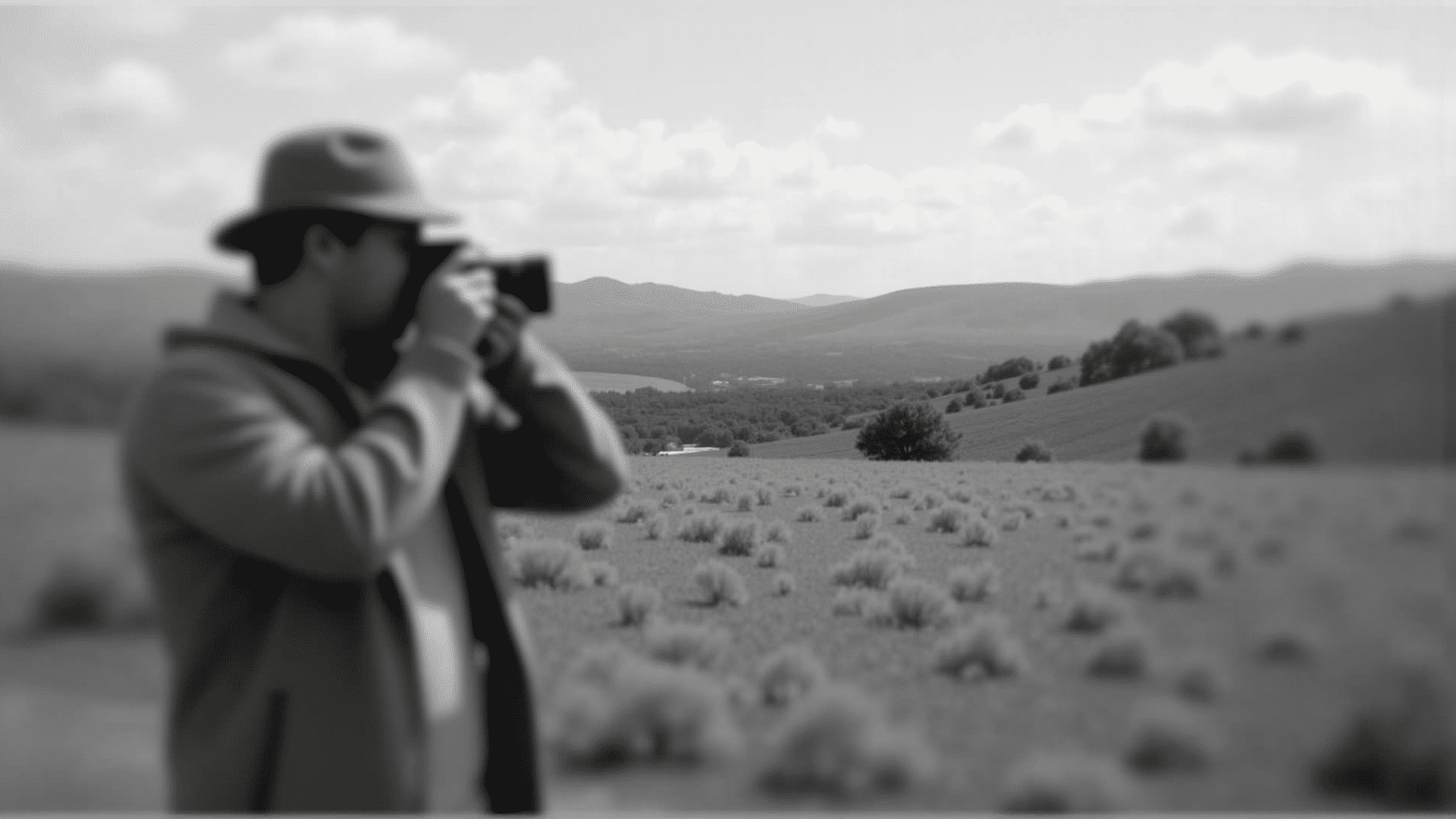
Creating visually striking images often relies on mastering the art of composition. By understanding and applying essential techniques, anyone can craft captivating and well-balanced pictures that stand out. Here are several key composition tips to enhance your photographic skills.
-
Rule of Thirds: This fundamental guideline helps create balance and interest in your photos. Imagine splitting your image into nine equal sections with two horizontal and two vertical lines. Position the key elements of your photo along these lines or at their intersections. This can lead to more dynamic and engaging compositions than simply centering the subject.
-
Leading Lines: Use natural lines to guide the viewer’s eye through the photo. Roads, rivers, fences, or even shadows can draw attention to the focal point of the image. Lines can be straight, curved, or diagonal, each adding a unique element to the composition.
-
Framing: Incorporate natural frames such as doorways, windows, or branches to enclose the subject. This technique adds depth to the photo, focusing attention on the main subject while adding context to the surrounding environment.
-
Symmetry and Patterns: Humans are naturally attracted to symmetry and patterns. Incorporating these can enhance the visual impact of your image. Whether it’s a perfectly symmetrical reflection in water or a repetitive pattern like a row of arches, these elements can lend an aesthetically pleasing structure to a photo.
-
Foreground, Middle Ground, and Background: Create a sense of depth by including elements in the foreground, middle ground, and background. This technique draws viewers into the scene, giving them more to explore and discover within the photo's layers.
-
Fill the Frame: Sometimes, the best way to highlight your subject is to get close. Filling the entire frame with your subject can eliminate distractions and emphasize details, leading to a powerful and focused composition.
-
Negative Space: The area around and between the subject of an image is just as important as the subject itself. Allowing for ample negative space can help isolate your main subject, making it stand out more strikingly.
-
Point of View: Experiment with different angles and perspectives. Shooting from high above, down low, or from an unexpected angle can introduce new interest and context into your photos.
-
Balance Elements: Pay attention to the weight of elements within your frame. If you're focusing on an isolated subject, consider balancing it with a secondary point of interest to create harmony within the photo.
-
Use of Color: Colors can influence the mood and focal point of an image. Bright colors can pop amidst a muted background, while complementary colors can enhance each other. Be mindful of how colors interact and contribute to the overall composition.
By integrating these techniques into your creative process, your ability to compose striking images will grow. Photography composition is not only about adhering to rules but also about knowing when to bend or break them to convey your artistic vision. The more you practice, the more intuitive these techniques will become, allowing for the seamless creation of breathtakingly beautiful images.