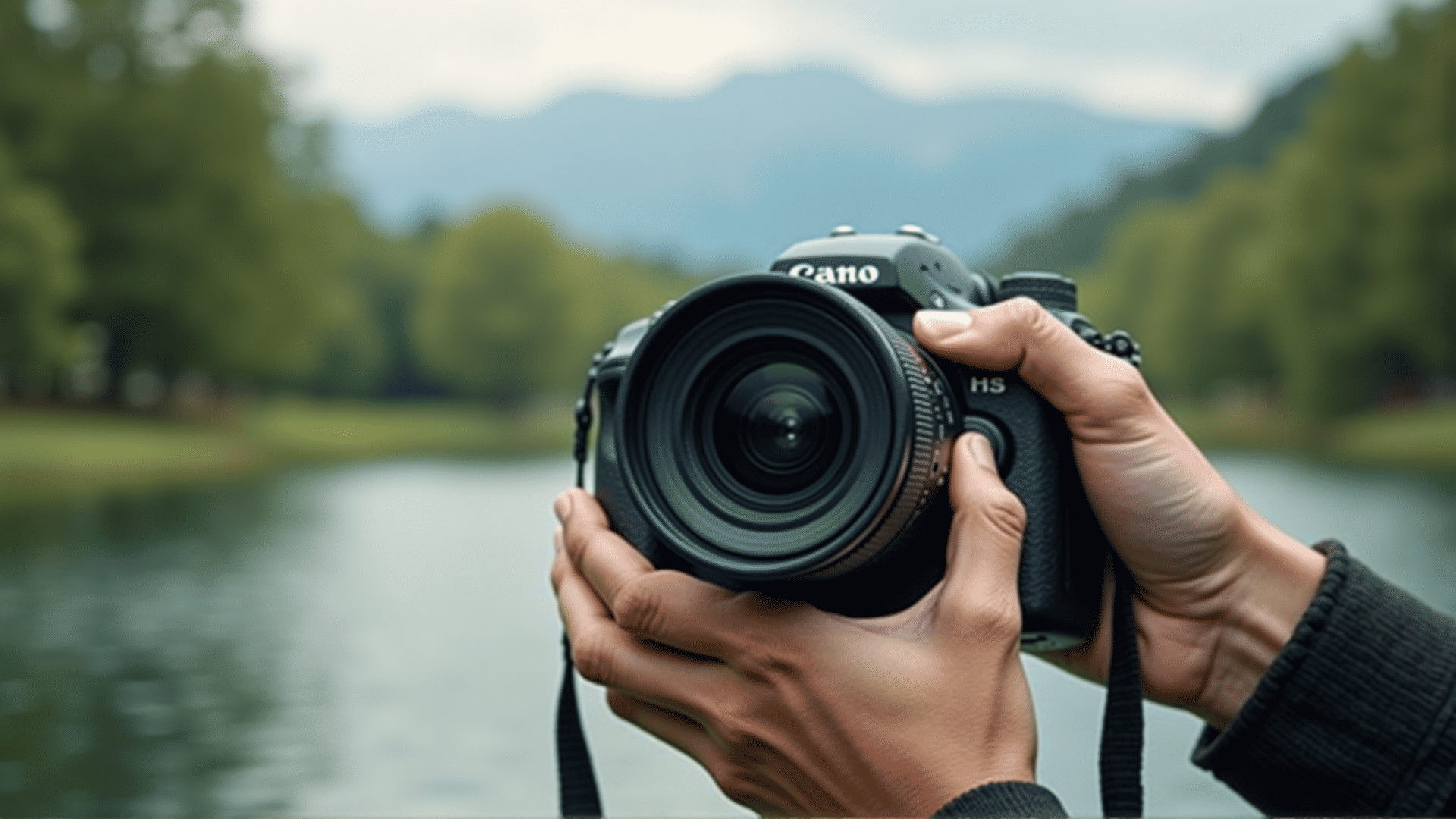
Embarking on a journey to capture the world through your lens can be an exhilarating adventure. Whether you’re using a point-and-shoot camera or a more advanced model, understanding the foundational concepts and essential settings will greatly enhance the quality of your images.
Understanding Your Camera
First, familiarize yourself with the various components of your camera. This includes the lens, which is crucial for focusing light onto the sensor, the shutter that controls the duration of exposure, and the aperture, which adjusts the amount of light entering the camera. The sensor itself is where the magic happens, capturing light and transforming it into the image you see.
Key Settings for Beginners
-
ISO: This setting determines your camera's sensitivity to light. A lower ISO is ideal for well-lit environments, whereas a higher ISO will be needed in low-light conditions. However, be cautious as increasing ISO can introduce noise to your photos, affecting their clarity.
-
Aperture (f-stop): Aperture controls the size of the lens opening through which light enters. A smaller f-stop number (e.g., f/1.8) means a larger aperture, allowing more light in and creating a shallow depth of field. This can beautifully blur the background, making your subject stand out.
-
Shutter Speed: This controls how long the shutter remains open when taking a photograph. Faster shutter speeds (e.g., 1/1000 sec) can freeze action, making them perfect for capturing fast-moving subjects, while slower speeds (e.g., 1/30 sec) are great for low-light environments or creating motion blur.
-
White Balance: This setting adjusts the colors to remove unrealistic tints. Different lighting conditions can impact the color tone of your photos. Choosing the correct white balance setting ensures colors appear natural.
-
Focus: Ensuring your subject is sharp and clear is vital. Your camera may offer autofocus and manual focus modes. Experiment with both to see which suits your style and the situation best.
Composition Tips
Understanding camera settings is half the task; mastering composition is the other. Here are a few tips:
-
Rule of Thirds: Imagine your viewfinder is divided into nine equal parts. Try placing your subject along these lines or at their intersections to create balance and interest.
-
Leading Lines: Use natural lines to guide the viewer's eyes toward the main subject. Whether they’re roads, fences, or rivers, leading lines can create depth and narrative in your images.
-
Framing: Incorporate elements like windows or branches to frame your subject. This technique can add context and intrigue, drawing attention to the key elements of your photo.
Practice and Experimentation
Photography is as much about practice as it is about technical knowledge. Experiment with different settings and compositions in diverse environments. Over time, you'll develop an intuitive sense for what works best in various situations.
By mastering the basics, you're not just capturing images; you're creating visual stories that can evoke emotions and inspire others. Enjoy the process and watch as each captured moment brings your unique perspective to life.