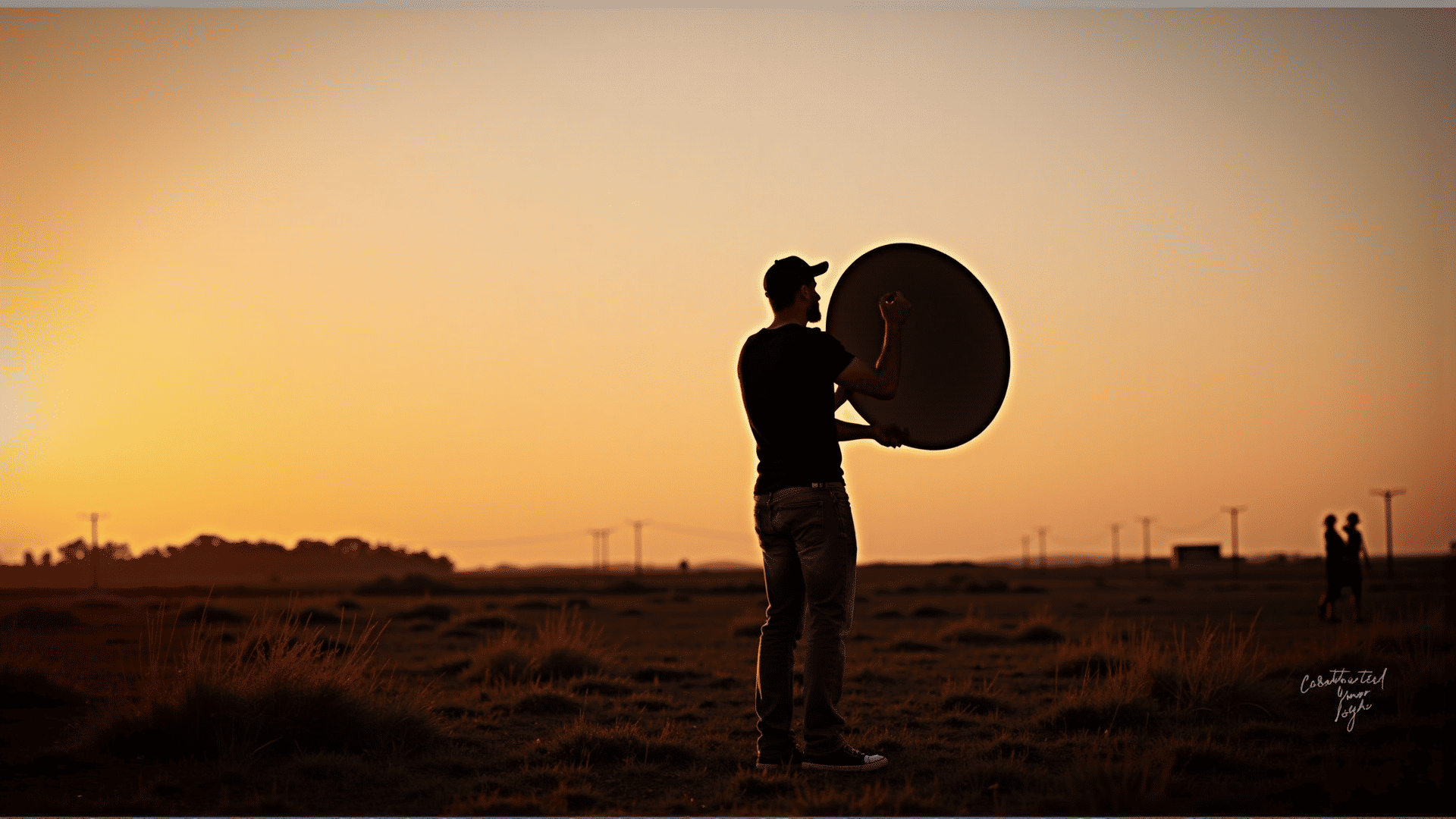
Lighting is a fundamental element that significantly influences the outcome of any photographic endeavor. Understanding how light interacts with subjects can turn an ordinary image into something extraordinary. Whether you’re capturing the serene landscape, the liveliness of a street scene, or intimate portraits, the manipulation of light plays a crucial role in conveying emotion and depth.
The quality of light can vary greatly, affecting both the mood and the technical aspects of an image. Natural light, emanating from sources like the sun or the moon, is ever-changing and brings a dynamic quality to outdoor photography. The soft warmth of the golden hour — the period shortly after sunrise or before sunset — is known for its warm hues and gentle shadows, often producing flattering and magical images.
Conversely, harsh midday sun can create stark contrasts and deep shadows. However, this should not always be seen as a challenge; rather, with the right approach, even harsh lighting can serve a creative purpose. For example, silhouettes and bold architectural patterns can be emphasized under such conditions.
In contrast to natural light, artificial light sources offer more control. Tools such as studio lamps, LED panels, and flashes, allow for the fine-tuning of brightness, direction, and color temperature. This enables the creation of specific moods and intricate highlights. Adjustments of light intensity and direction can transform an image’s atmosphere dramatically. Soft lighting, achieved through modifiers like softboxes or diffusers, usually results in images with gentle shadows that highlight textures and bring out details without overwhelming them.
The direction from which light falls on a subject also shapes its appearance in powerful ways. Front lighting tends to flatten textures, providing a certain clarity and smoothness. Side lighting, on the other hand, introduces depth by accentuating texture and form through shadows and highlights. Backlighting can create a dramatic silhouette effect or impart a pleasing glow around a subject, often used in portraiture for a dreamy, ethereal look.
The introduction of reflection and refraction adds another layer of creativity. Reflective surfaces like water or glass can produce intriguing visuals, wherein light bounces in unexpected directions creating mirrors within images. Similarly, the use of prisms and other refractive objects can scatter light and project fascinating patterns across a scene.
Understanding how color temperature affects a photograph is also essential. Warm light, with its yellow-orange hue, can make a scene feel cozy and inviting, borrowing tones reminiscent of autumn leaves or a roaring fireplace. Cool light, tinged with blue, conjures feelings of calmness or solitude, often used to evoke winter landscapes or introspective portraits.
Ultimately, developing an eye for light involves regularly observing how it shifts throughout the day and affects the environment around you. With practice, one learns to anticipate how different lighting conditions contribute to inventive compositions and striking images. Mastery of lighting allows photographers to not just capture an image but to tell compelling stories through their lens.